East Riding of Yorkshire: assessment of archaeological resource in aggregate areas
Humber Field Archaeology, 2008. https://doi.org/10.5284/1000136. How to cite using this DOI
Data copyright © Humber Field Archaeology unless otherwise stated
This work is licensed under the ADS Terms of Use and Access.

Primary contact
Ken
Steedman
Humber Field Archaeology
The Old School,
Northumberland Avenue,
Hull
HU2 0LN
Tel: 01482 217466
Fax: 01482 581897
Resource identifiers
- ADS Collection: 859
- ALSF Project Number: 4828
- DOI:https://doi.org/10.5284/1000136
- How to cite using this DOI

Introduction
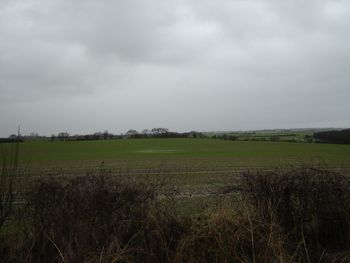
This desk-based assessment of aggregate-producing areas in the East Riding of Yorkshire was carried out by Humber Field Archaeology, with funding from the Aggregates Levy Sustainability Fund, through arrangement with English Heritage.
Five Study Areas were selected, totalling 274km2 in area, targeting areas in Holderness and the Vale of York which contain (or have in the past contained) economically-exploitable aggregates within the present-day county of the East Riding of Yorkshire. Three of the Study Areas encompassed Areas of Search defined in the Joint Minerals Local Plan, where there is a reasonable expectation of minerals being present in viable quantities, and where it is expected that any new proposals for aggregate extraction would be made in the medium to longer term. Areas outside of this were also included, comprising sites where existing permissions will allow future exploitation, where exploitation in areas just outside of the preferred search zones is likely, or where economic exploitation has been undertaken relatively recently (since the mid-20th century).