Assessing The Research Potential of Grey Literature in the study of Roman England
Neil Holbrook, Richard Morton, 2008. (updated 2011) https://doi.org/10.5284/1000418. How to cite using this DOI
Data copyright © Cotswold Archaeology, University of Reading, Bournemouth University unless otherwise stated
This work is licensed under the ADS Terms of Use and Access.

Primary contact
Richard
Morton
Consultancy Project Manager
Cotswold Archaeology
Building 11
Kemble Enterprise Park
Cirencester
GL7 6BQ
UK
Tel: 01285 772614
Fax: 01285 771033
Resource identifiers
- ADS Collection: 811
- DOI:https://doi.org/10.5284/1000418
- How to cite using this DOI



Introduction
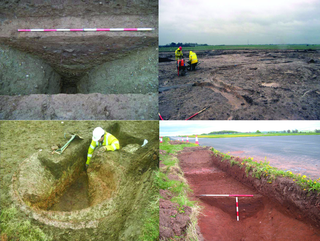
The objective of the Roman Grey Literature Project is to assess the research potential of the grey literature in the understanding of Roman England.
Stage 1 of the project addressed the grey literature of the whole of England (1990-2004), looking at questions such as: "how many investigations are finding Roman remains, and where?"; "are there any significant distributions in these remains, and if so why?"; "what types of remains are being found?"; and "how many of these investigations are reaching publication?". The Stage 1 project database is based upon data from the Archaeological Investigations Project (AIP) based at Bournemouth University, which has been enhanced by Cotswold Archaeology with information on publications. It lists all of the investigations recorded by the AIP which found Roman remains, and is searchable through queries such as type of investigation, location, publication and name.
Stage 2 targeted four pilot areas for a more detailed assessment of the ability of grey literature to enhance academic understanding of specific aspects of Roman Britain. The four areas selected for Stage 2 were Essex, Somerset, Warwickshire and South and West Yorkshire combined, which in aggregate cover 9.5% of England by area.