England's Historic Seascapes: Southwold to Clacton
Oxford Archaeology (South), 2007. https://doi.org/10.5284/1000277. How to cite using this DOI
Data copyright © Historic England unless otherwise stated
This work is licensed under the ADS Terms of Use and Access.


Primary contact
Oxford Archaeology (South)
Janus House
Osney Mead
Oxford
OX2 0ES
UK
Tel: 01865 263800
Fax: 01865 793496
Resource identifiers
- ADS Collection: 746
- ALSF Project Number: 4729
- DOI:https://doi.org/10.5284/1000277
- How to cite using this DOI
Introduction
The England's Historic Seascapes: Southwold to Clacton project was undertaken by Oxford Archaeology between April 2006 and 2007. The project is one of four pilot projects designed to apply the principles of HLC (Historic Landscape Characterisation) to the marine environment. This project built upon the intial methodology developed for the Liverpool Bay pilot study and seeks to develop MHLC (Marine Historic Landscape Characterisation) to ensure the final methodology is suitable to apply nationally. The project was funded by the Marine Aggregates Levy Sustainability Fund as distributed by English Heritage.
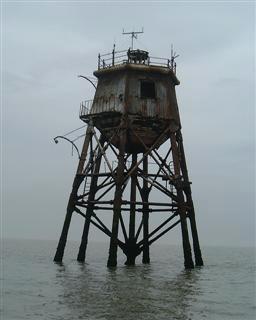
The Oxford Archaeology study area encompasses the coastline between Southwold and Clacton, with the seaward limit defined by the continental shelf. The study area supports a wide variety of commercial activity such as aggregate extraction, fishing and trade associated with the port at Felixstowe. Leisure activities are also important, with the presence of seaside towns such as Clacton-on-Sea, Walton on the Naze, Aldeburgh and Southwold which support tourism, leisure sailing and fishing activities. Additionally the whole coastline has long supported a small fishing fleet and the area is used regularly for recreational diving. The combination of cliffs, marsh, and estuarine environments amongst others supports a variety of wildlife and much of the coastline is protected. This is increasingly under threat from the encroachment of the sea and coastal breeze, causing severe erosion in places.
Oxford Archaeology has compiled a large amount of data about the study area from a variety of sources, both digital and paper based, which has then been used to create a GIS database. The project has synthesised and assessed all available evidence about the current and historic landscpae of the area and the results of the survey have been presented in the media including a GIS, database, illustrated report and a website.
To view the reports from the other Seascapes projects, please follow the links below:
More information on the English Heritage Historic Seascapes Project - including the 2008 National HSC Method statement - can be found at the ALSF Seascapes page