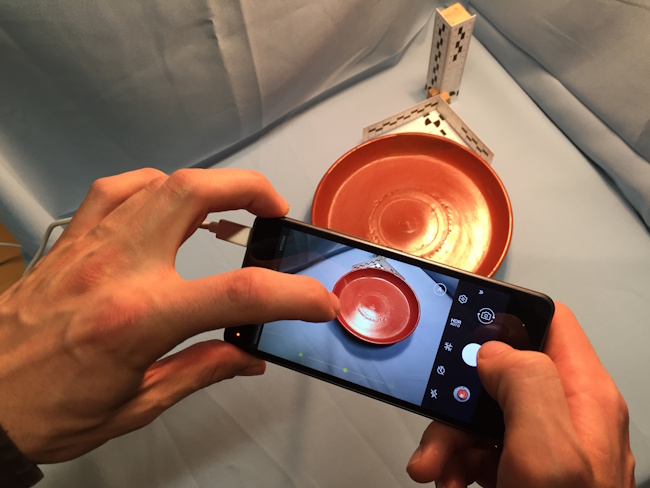
This week the ADS would like to highlight a recently published archive, the Arch-I-Scan Project.
The Roman period is exceptionally archaeologically rich, with millions of related artefacts across the world. However due to the extensiveness of these remains,, these artefacts can be underutilised when looking to better understand the social-cultural practices of the Roman world. Specifically, analysis of ceramic tablewares are often used to understand trade routes or the chronology of a site rather than understanding the social practices of a diverse Roman world.
The Arch-I-Scan project, funded by the Arts and Humanities Research Council, developed an image-recognition and machine-learning service, trained using collections from varying social and regional contexts in Roman Britain – London, Colchester, part of Hadrian’s wall, and Leicestershire. This allowed for Arch-I-Scan to recognise, record, and digitally collate large quantities of data from ceramic remains.
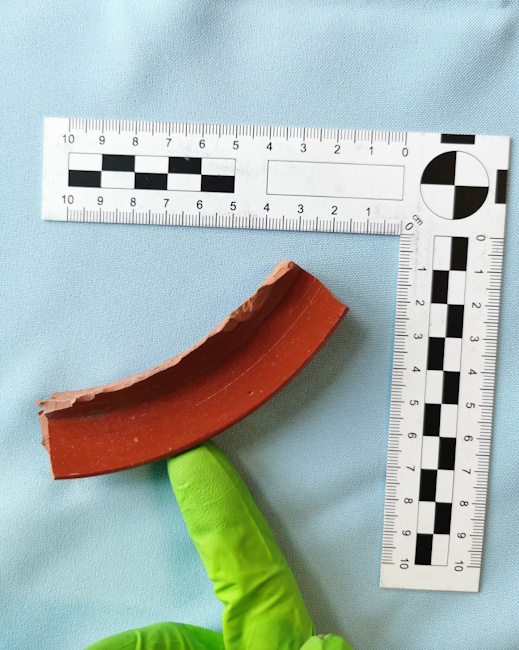
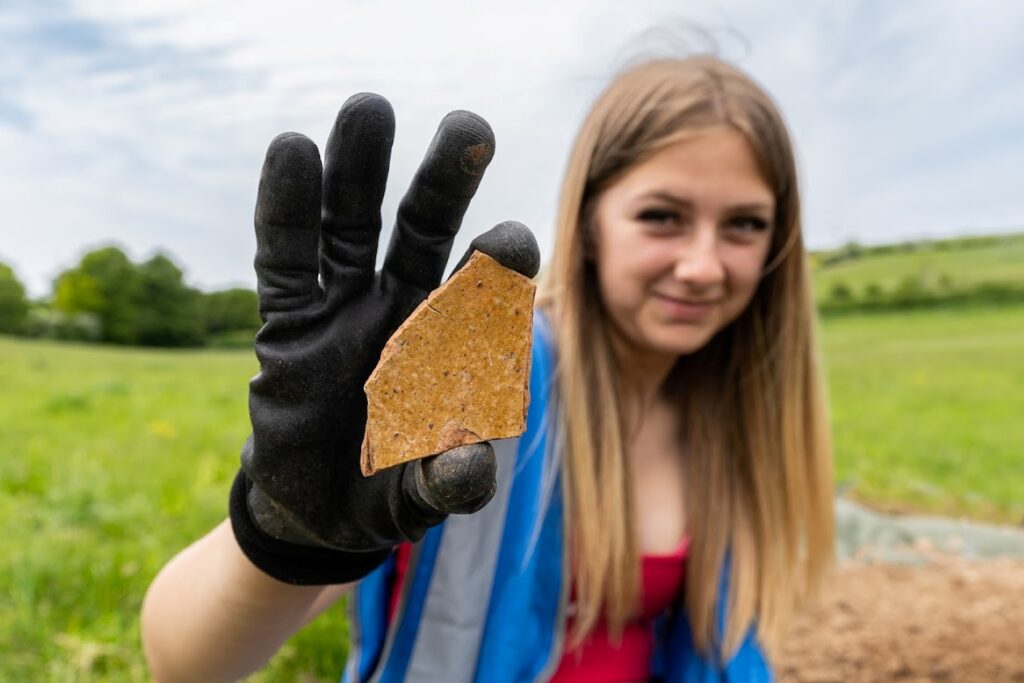
The Arch-I-Scan archive consists of the photographs of ceramic remains taken between 2019 and 2023 in five different collections and 3D models of terra sigillata forms. These photos were then used to train and develop the AI systems. Terra sigillata was chosen as it is found throughout the Roman world and has a relatively standardised form. The five collections that provided ceramic photographs for this project were: London Museum, MOLA, University of Leicester Archaeological Services , Vindolanda Charitable Trust, Colchester and Ipswich Museums. The archive also includes spreadsheets with information on these ceramic remains to accompany these photographs.
Search the ARCH-I-Scan database online and explore a dataset of 197,260 photographs of 28,158 sherds.