This week marks World Wellbeing Week, an international awareness week focused on promoting health and wellbeing in the workplace and wider society. Taking place from 24–30 June, the week encourages organisations, teams, and individuals to pause, reflect, and take meaningful steps towards better wellbeing.
The theme is particularly relevant to the heritage sector, where growing attention is being given to the ways engagement with archaeology and heritage can contribute to individual and community wellbeing.
Reflecting this growing area of research and practice, Internet Archaeology released its 73rd issue, with a focus on Wellbeing and Archaeology. This collection of articles shows the power of heritage-led wellbeing and how it can help progress the democratisation of heritage, diversify engagement, and help address societal inequalities.
Highlights from this include:
Transforming lives through archaeology: civil society, social justice and heritage
Linda Monckton.
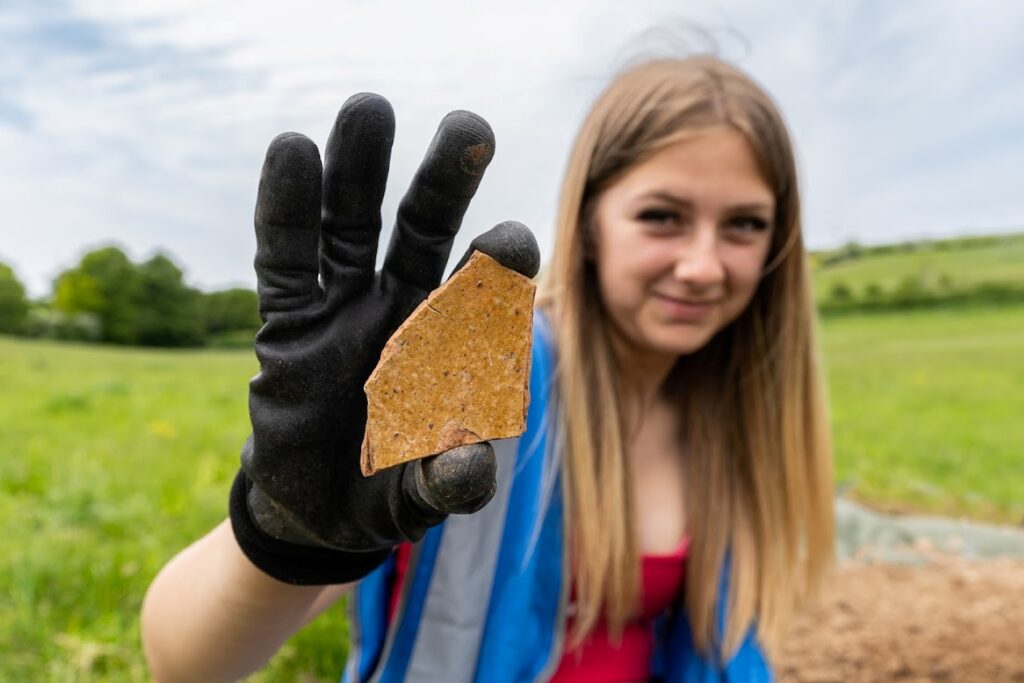
This article discusses the role of heritage and archaeology-led practice in promoting health and wellbeing, particularly for communities with unmet needs. It introduces the volume by considering its articles in relation to Historic England’s six ways that heritage can deliver wellbeing. It goes on to explore how a wellbeing lens can support the democratisation of heritage and social justice objectives, and outlines the Rejuvenate project, which uses archaeology to support young people.
Alison James and Beccy Austin.
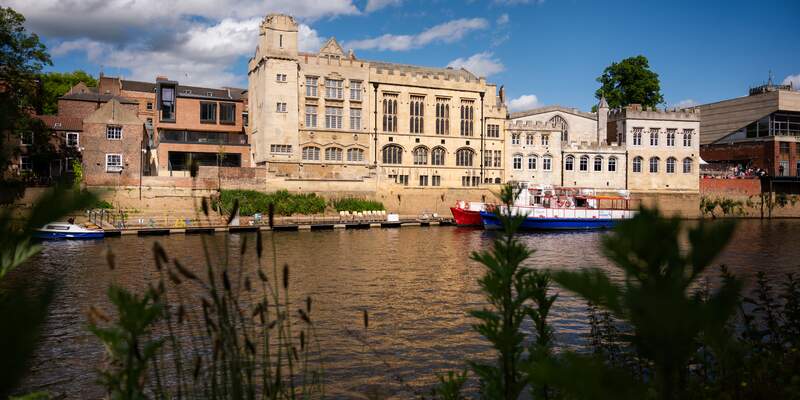
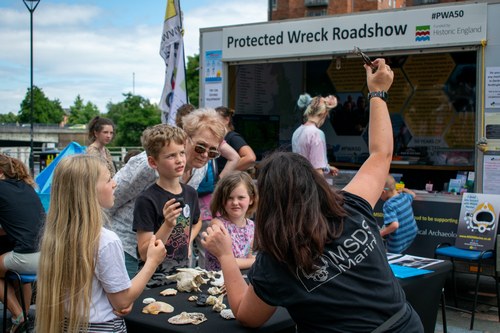
This paper examines how engagement with maritime heritage can enhance individual and community wellbeing. Drawing on multiple projects undertaken by MSDS Marine, the authors demonstrate that participation in heritage activities—whether through volunteering, education, or professional practice—fosters connection, confidence, and a sense of purpose that positively influence mental health.
Place, Identity and Wellbeing: Bradford and Beyond
Karina Croucher, C. Richard Bates, Olivia Booker, Adrian Evans, Chris Gaffney, Elgidius B. Ichumbaki, Benjamin Jennings, Joe Moore, Joe Ogden, Joe Ritchings, Sydney Simpson, Tom Sparrow, Sharon Snaylam, Aoife Sutton-Butler, Adrian Walker and Andew S. Wilson.
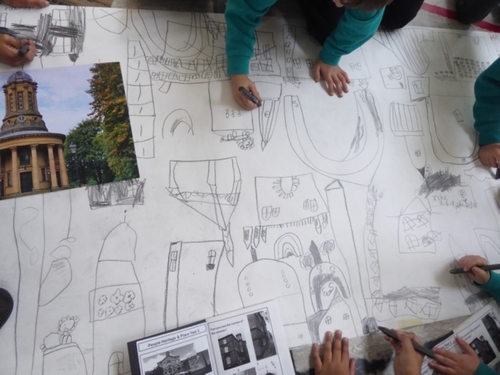
This paper presents ongoing research between the University of Bradford and partner organisations, exploring the importance of identity, and the role of heritage and culture, for wellbeing, cohesion and resilience. It discusses three ‘parent’ projects: Fragmented Heritage; Virtual Bradford; and Continuing Bonds, and seven interlinked subsidiary projects: Curious Travellers; Building Resilience through Heritage (BReaTHe); Saltaire: People, Heritage and Place; Dying to Talk; Continuing Bonds: Creative Dissemination; the Continuing Bonds Toolkit, and Reimagining Tanzania’s Townscape Heritage, showing how digital heritage, alongside arts-based creative methods, is crucial to the role that the past can play for communities today.
Joanna Sofaer, Leon D’Cruz, Ofelia Zaboloteanu, Bryony Whitmarsh, Nick Maguire, Jason Sadler and Anoop Chauhan.
The Heritage and Wellbeing for NHS Staff (HerWellNHS) pilot and feasibility study investigates the potential for self-directed visits to heritage sites to promote the wellbeing, compassion and work engagement for NHS staff who do not yet meet the clinical thresholds for support. This paper reports on visit choices made by NHS staff in HerWellNHS including site types, their characteristics, and how motivations for site choice align with self-described wellbeing needs. It includes the novel application of a machine learning model to extract predictors for participant visits to heritage with a green component versus urban built heritage.