For over 20 years, Internet Archaeology and the Archaeology Data Service have been internationally recognised for our high, open standards, innovation and best practice in archaeological publication and digital archiving. We believe that free, open access to archaeological research and data offers significant and enduring academic, professional and social benefits.
The Open Access Archaeology Fund has the specific aim of supporting the Internet Archaeology publishing and ADS archiving costs of researchers who have no means of institutional support, and whose data is potentially more at risk.
The fund was set up in the 20th anniversary year of both ADS and Internet Archaeology and since our first award back in 2017, we’ve received a number of applications and successful awards to the fund. Funds were provided to either publish an article with Internet Archaeology or to deposit a dataset with the ADS.
How can you help support out work?
By giving to the Open Access Archaeology Fund you help to reduce the barriers to open archaeological research and advance knowledge of our shared human past. This fund helps researchers with no institutional support. Funded archives can be found within the Open Access Archaeology Fund Archives.
To read about some of the interesting and exciting projects that have received funding have a look below!
Previous recipients
Archives
The series of 15 volumes of the Somerset Levels Papers represent the main publications of the Somerset Levels Research project directed by Prof John Coles and Bryony Orme (later Coles). The fieldwork focused on the rescue excavation of prehistoric wooden trackways in the central Brue valley of Somerset where they were threatened by peat extraction. Other parts of the floodplain and surrounding dryland were also surveyed and important excavations undertaken at Glastonbury and Meare Lake Villages. The digital archive contains all 15 volumes.
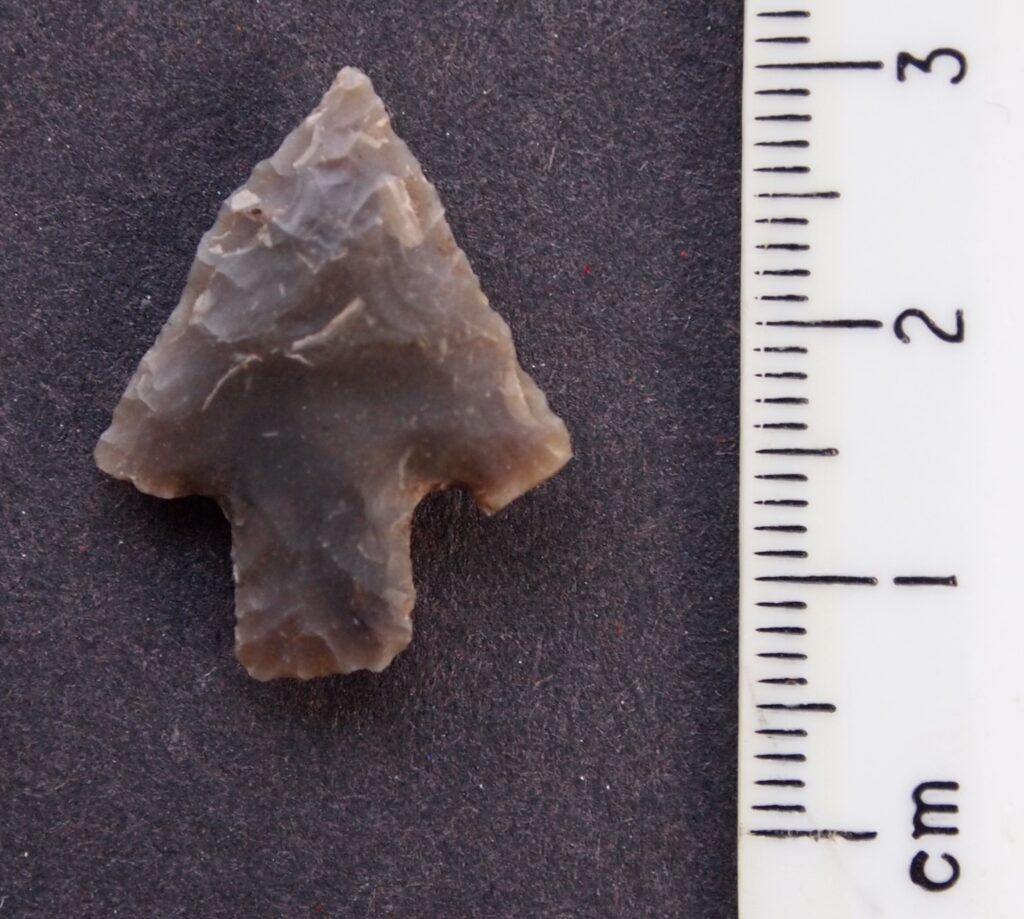
The archive consists of the details of six originally private large collections of mainly worked items (and some waste) covering the prehistoric period from the Mesolithic to the Iron Age of items found mainly within the historic county of Yorkshire.
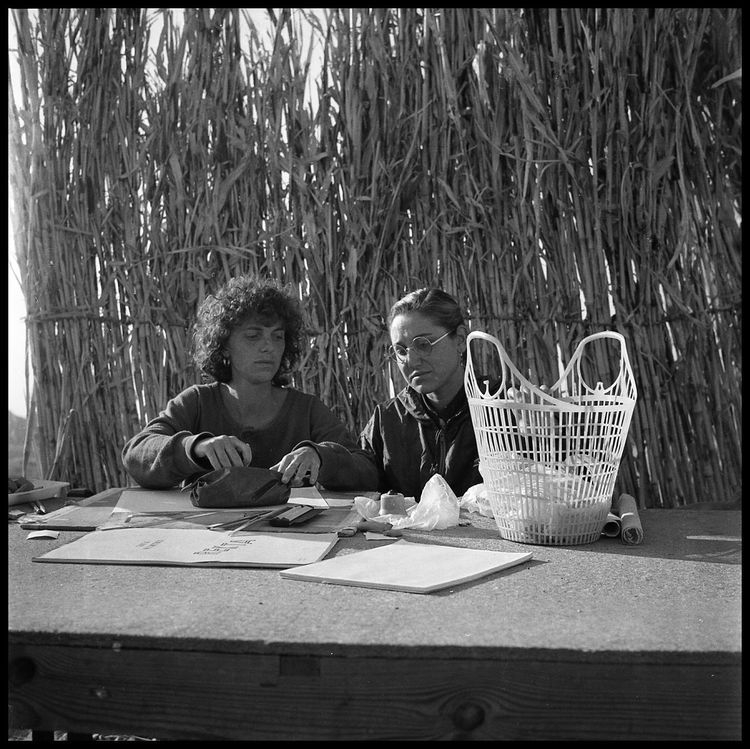
Photographs from the archive of the IUO Italian Archaeological Mission to Upper Egypt (1977-1986).
The collection of digitised archival photographs presented herein has been generated as part of the ‘Naqada Publication Project’ (2016–2018). The aim of this project is to produce a comprehensive publication of the results of archaeological investigations conducted by the Italian Archaeological Mission of the then ‘Istituto Universitario Orientale’, Naples, at the site of Naqada, Egypt, in the late Seventies – early Eighties, under the direction of C. Barocas, R. Fattovich and M. Tosi.
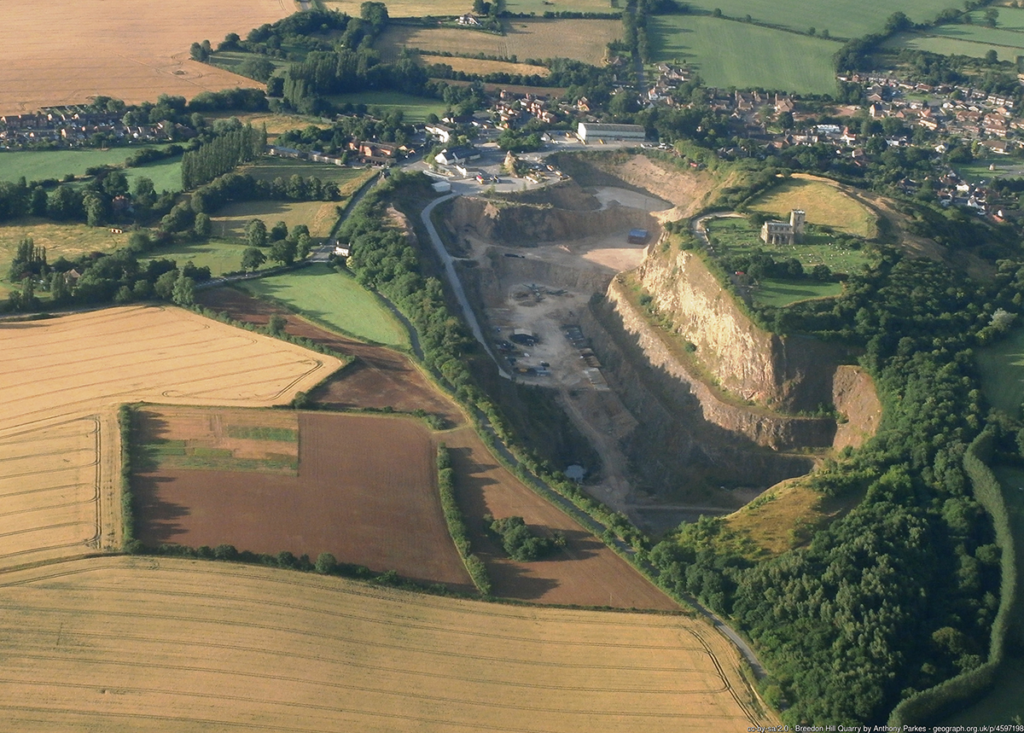
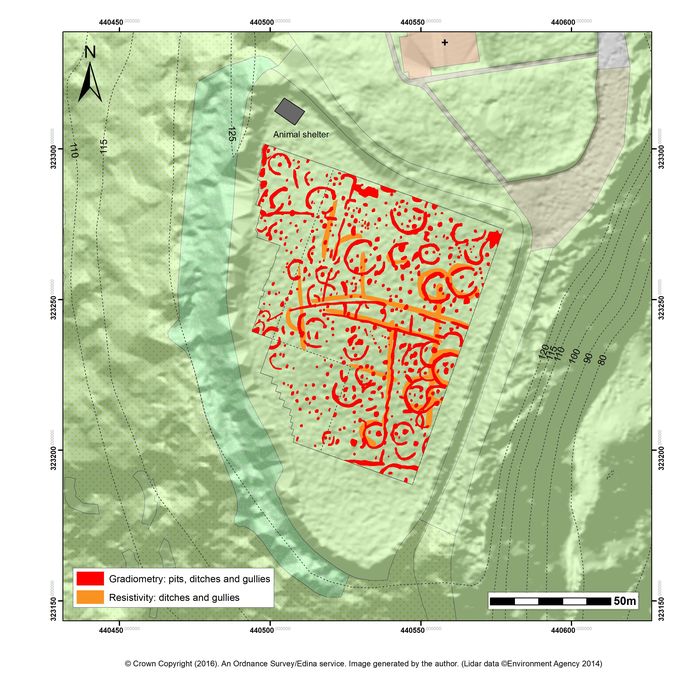
Breedon Hill, Leicestershire: Geophysical surveys.
This archive contains the results of gradiometer and earth resistance surveys undertaken at Breedon Hill, Leicestershire in February 2016. Breedon Hill is the site of one of the few Iron Age hillforts in the East Midlands – and one which, in its original form, ranked amongst the largest monuments of its type in the region. Subsequently, the hillfort interior witnessed multiple periods of monastic occupation from the last quarter of the 7th century, made visible by the important corpus of architectural sculpture dating to the late 8th and early 9th centuries.
Internet Archaeology Papers
Santos, J. 2022. Why did Cities Evolve in Gharb Al-Andalus? Network analysis as a potential method for charting city growth, Internet Archaeology 59. https://doi.org/10.11141/ia.59.9
The Muslim presence in the Iberian Peninsula has been closely associated with urban centres since the 8th century. Using an approach based on Network Theory, the purpose of this article is to understand and debate the influence that various cities exerted on each other through communication routes during the Islamic presence in the Gharb Al-Andalus – now in modern-day Portugal – and how this influence affected the growth of those cities.
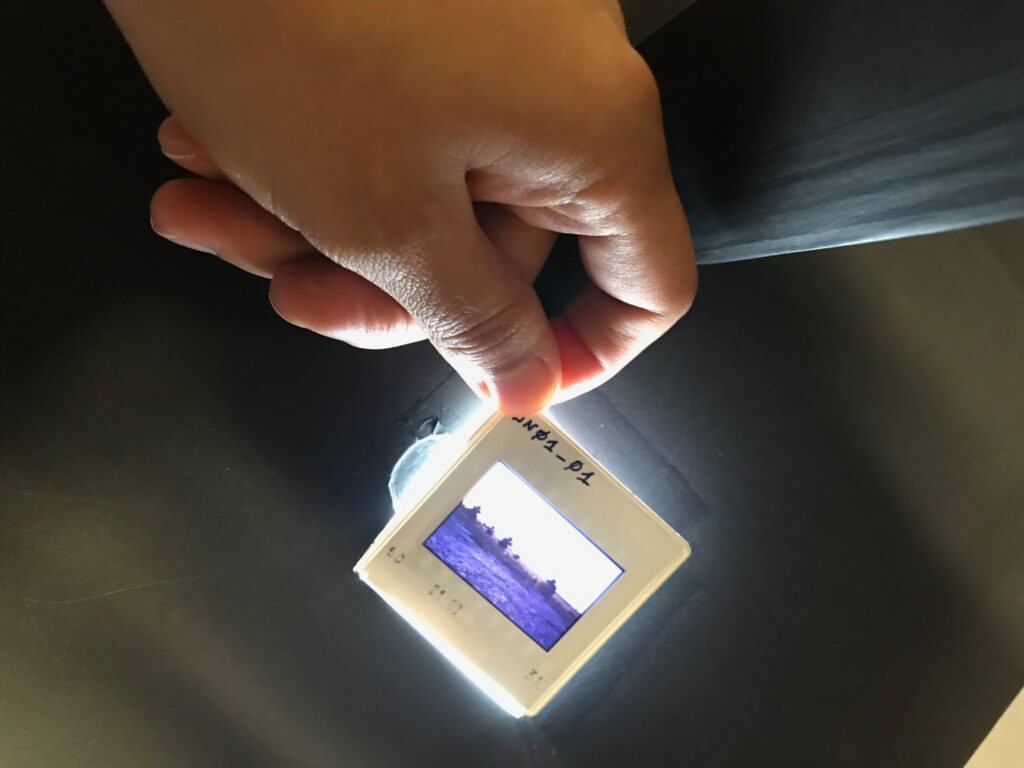
Palmero Fernández, M. 2020. DSLR Digitisation of Colour Slides: The Digitising Jemdet Nasr 1988-1989 Project, Internet Archaeology 55. https://doi.org/10.11141/ia.55.10
This article presents a cost-effective method for digitising photographic film for archival purposes using a DSLR camera, focussing on the widely used colour reversal Kodachrome film produced by Eastman Kodak between 1935 and 2009.
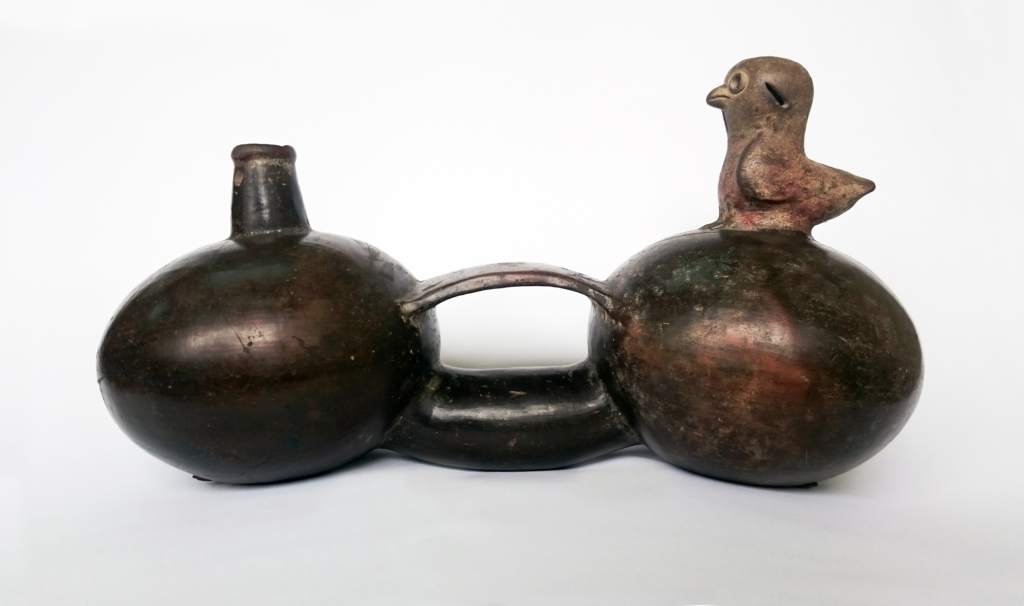
Ayala, M. A. et al. 2019. The song of air and water: Acoustic experiments with an Ecuadorian Whistle Bottle (c.900 BC-100 BC), Internet Archaeology 52. https://doi.org/10.11141/ia.52.2
In Ecuador, bottles as containers for liquids appeared in the Late Formative period at the end of the Machalilla culture (1600 BC to 800 BC). Whistle bottles were created and perfected during the Chorrera culture (900 BC to 100 BC), and finally evolved into polyphonic bottles during the Bahía culture (500 BC to 650 AD). During the Chorrera phase, moulded aesthetic elements were developed and incorporated:, such as zoomorphs and anthropomorphs, phytomorphs, architectural forms, whose animated references were related to the acoustics they produced, giving ‘onomatopoeic’ sounds of nature (e.g. birds, monkeys, frogs). The current research focused on the structural and systematic study of a double ellipsoid ornithomorph bottle with a whistle from the Chorrera-Bahía culture (900 BC to 100 BC), an object that is currently in the National Archaeological Reserve of the Ministry of Culture in the city of Quito, Republic of Ecuador.
Whittaker, C. 2019. Breedon Hill, Leicestershire: new surveys and their implications, Internet Archaeology 52. https://doi.org/10.11141/ia.52.6
This article presents the results of a non-intrusive investigation conducted at the scheduled multi-period site at Breedon Hill, Leicestershire. The hilltop is the site of a univallate hillfort believed to date to the Early-Middle Iron Age. From the 7th century AD, a minster church was founded within the hillfort enclosure, which became the site of an Augustinian Priory in the 12th century. Today approximately two-thirds of the hilltop has been irretrievably lost due to quarrying.