ADS blog
ADS Goes to iPres 2024 in Ghent
This year’s edition of the International Conference on Digital Preservation (iPres 2024) was held between Monday 16th and Friday 20th September 2024 in Ghent, Belgium. Hosted…
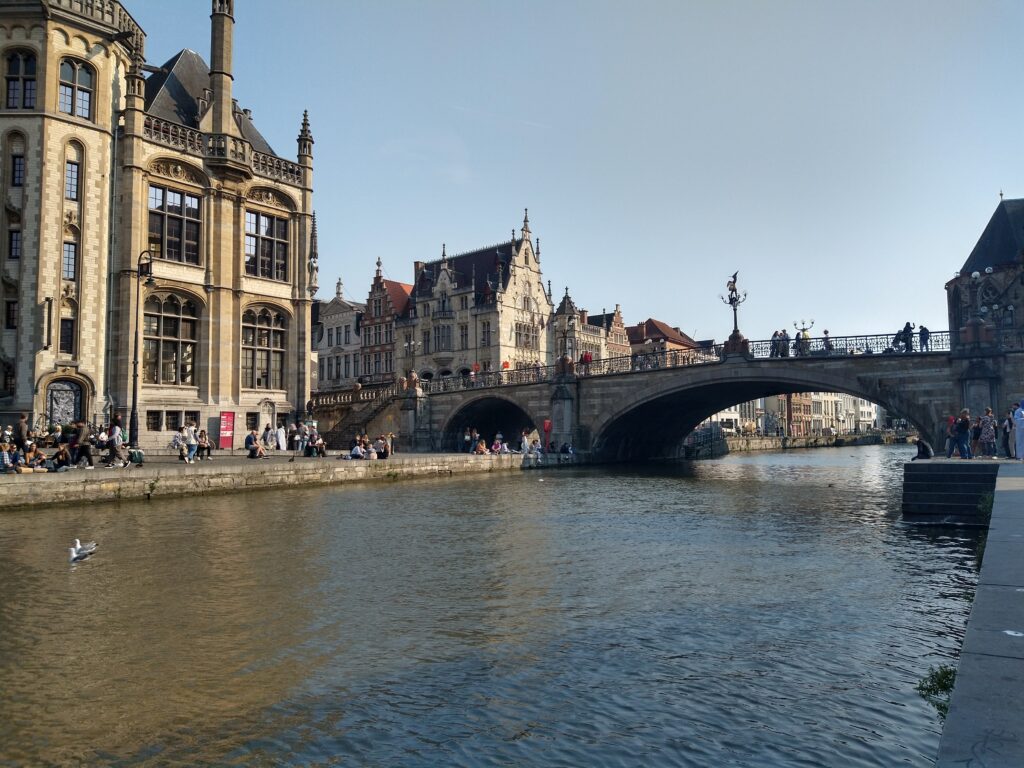
This year’s edition of the International Conference on Digital Preservation (iPres 2024) was held between Monday 16th and Friday 20th September 2024 in Ghent, Belgium. Hosted…
Digital Object Identifiers are clearly very helpful for data preservation and accessibility, but how do they make a difference for those who operate outside of digital…
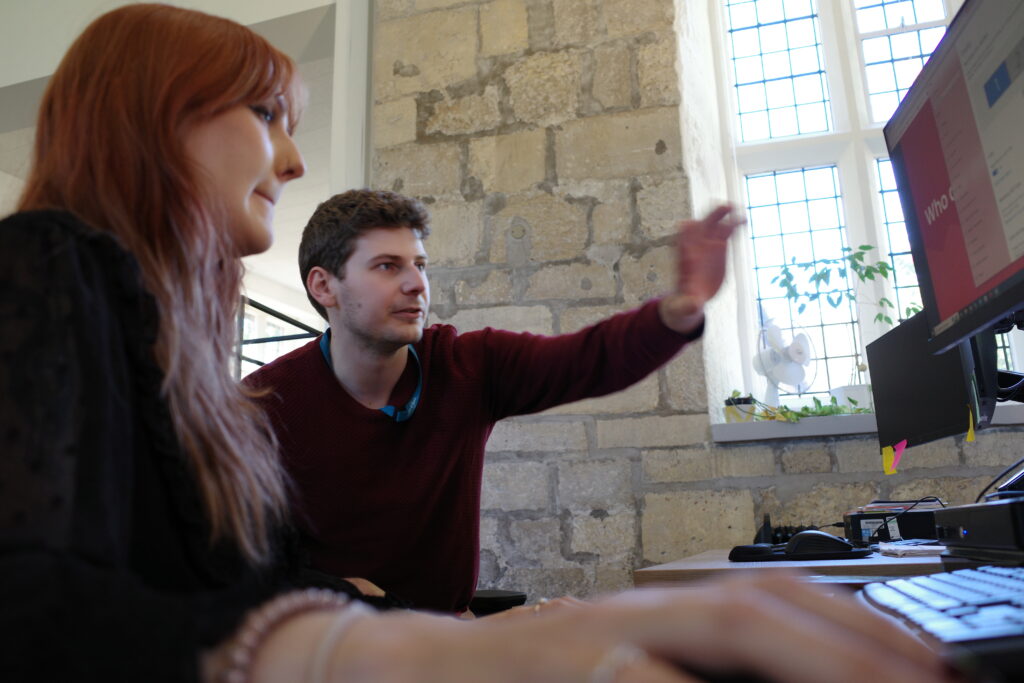
During my time on the Online AcceS to the Index of archaeological investigationS (OASIS) helpdesk, I encountered a wide range of queries from users across the…

All resources archived with the ADS are Open Access and delivered through our website to facilitate re-use by the heritage sector and wider community. But how…

Uniform Resource Locators (URLs), also commonly known as web addresses, are like house addresses in that they will direct you to a specific location in space…
One of our top priorities at the ADS is to make our collections findable, accessible, interoperable, and reusable. This includes utilising sustainable referencing methods such as…
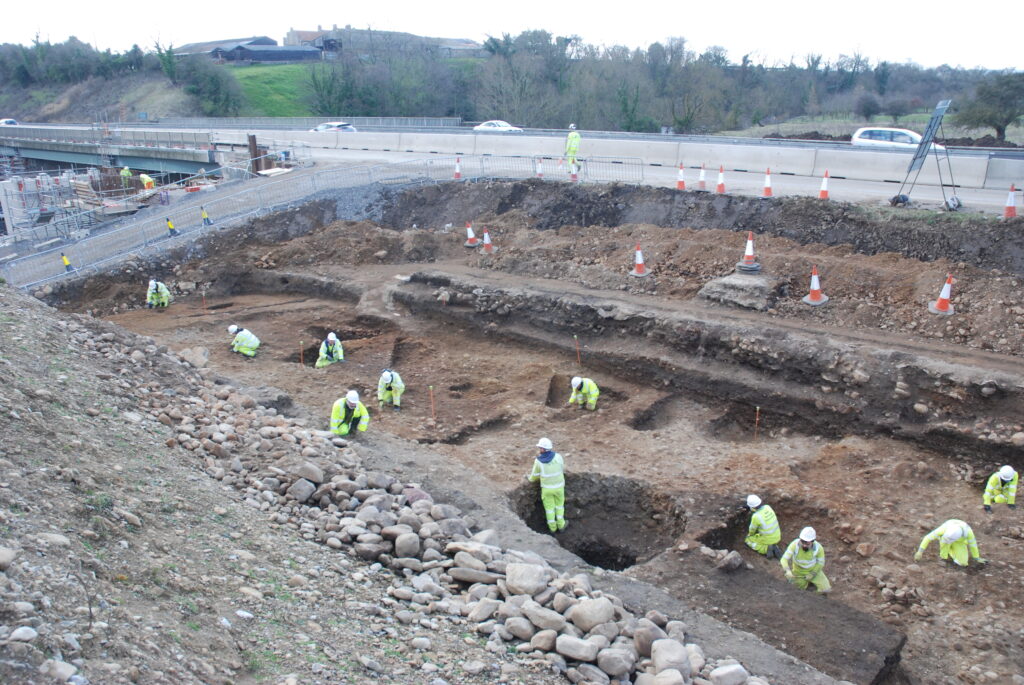
Following on from our announcement of receiving funding from the University of York’s Partnership for Academic and Commercial Engagement initiative, the ADS has been pleased to…

DigiPres North is a recently established interest group initiated by Bryony Hooper (Digital Preservation Manager at the University of Sheffield) and Dorothy Waugh (Digital Preservation Archivist…
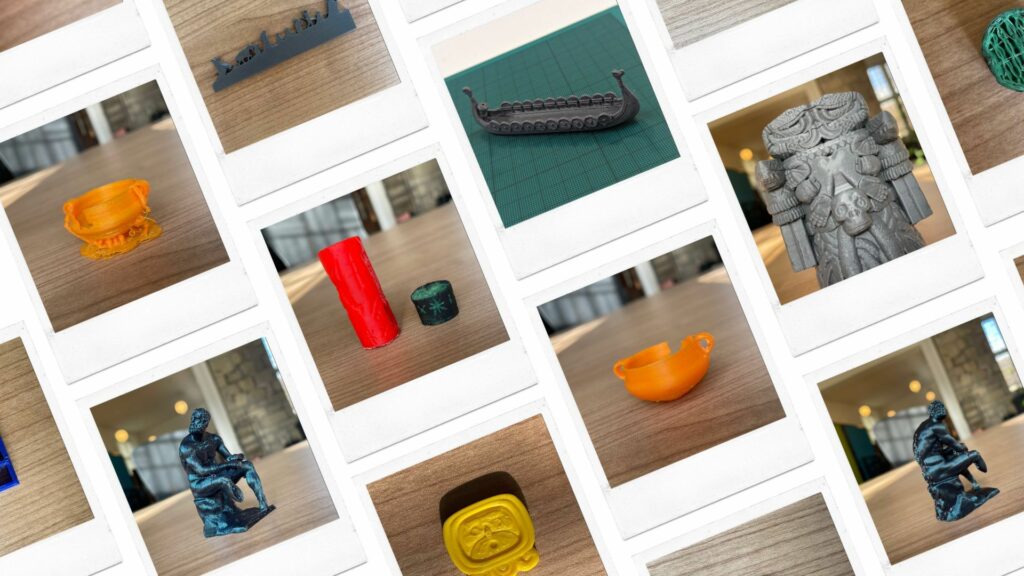
As the use of three-dimensional digitisation technologies is adopted more frequently by commercial archeology companies and independent researchers, the number of 3D objects accessioned, ingested, and…
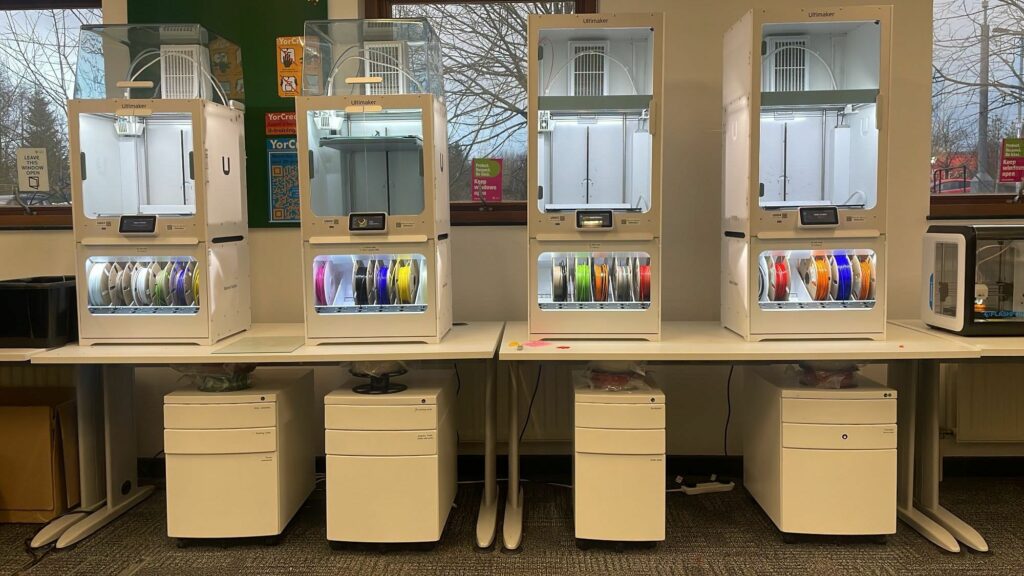
It has been a busy start to the year at ADS, hence why I now find myself writing about what Curatorial staff did way back in…
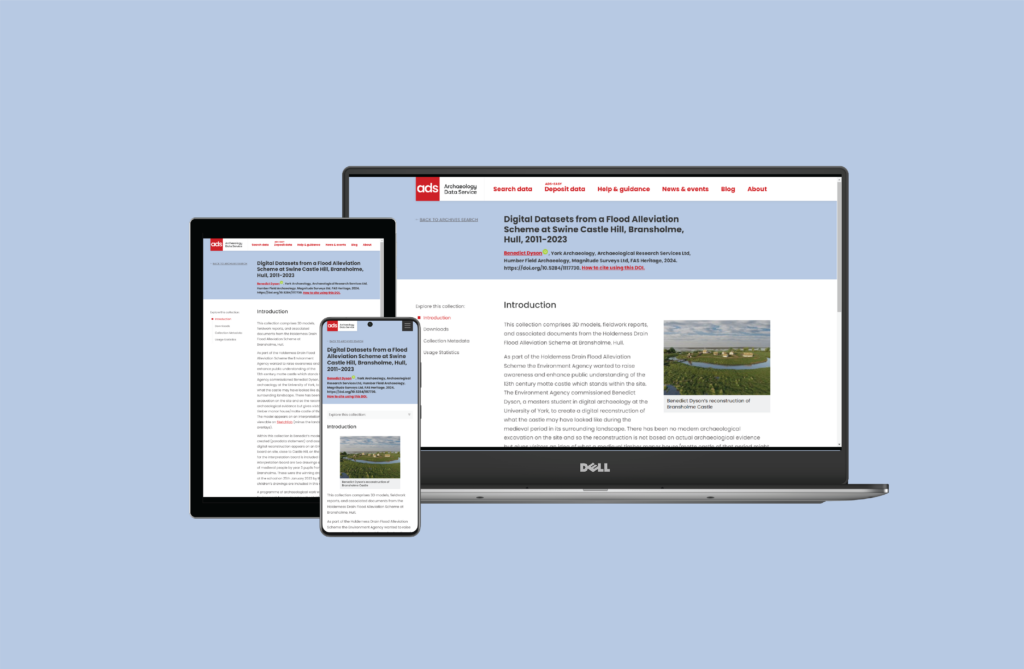
As we announced back in March, the ADS is due to launch a series of new features for the ADS Archives templates that provide an accessible…