The following blog post was co-authored by Archivists Burcu Aksahin and Marco Brunello, who recently had the opportunity to represent the ADS and HSDS at the second ATRIUM Mutual Learning Exercise (MLE) held in Athens, Greece.
Hosted by the UNESCO Chair on Digital Methods for the Humanities and Social Sciences at the Athens University of Economics and Business (AUEB), the one-day event brought together several data providers and organisers: the ADS and HSDS, the National Documentation Centre in Greece (EKT), the Institute of Literary Research of the Polish Academy of Sciences (IBL PAN), the Open Access in the European Area through Scholarly Communication (OPERAS) Research Infrastructure, Net7 and Foxcub.
The core focus of the MLE was ‘Research Spotlight’, an automated, ontology-driven workflow. Developed at the AUEB and the ATHENA Research Center, the workflow is designed to transform scholarly publications from various data providers into structured knowledge graphs.
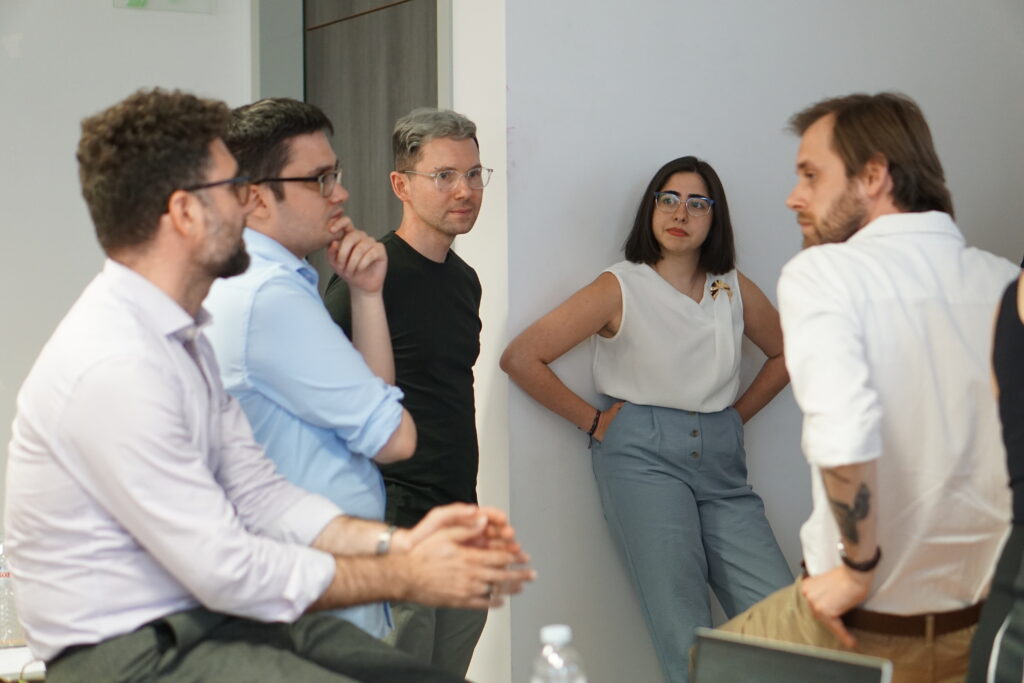
After a warm welcome, the morning session kicked off with presentations from the data providers and an overview of the Research Spotlight tool itself. The rest of the day was structured to take participants through the entire lifecycle of the data transformation through three key sessions:
Do I know the data I provide?: This self assessment exercise focused on evaluating each organisation’s existing data. Going through the checklist, we had the opportunity to reflect on specific aspects of our processes at the ADS/HSDS. It highlighted the differences in the level of control over metadata, licensing complexities, and the nuances of how data is catalogued and disseminated at a digital archive compared to large-scale, cross-disciplinary aggregators such as EKT and GoTriple.
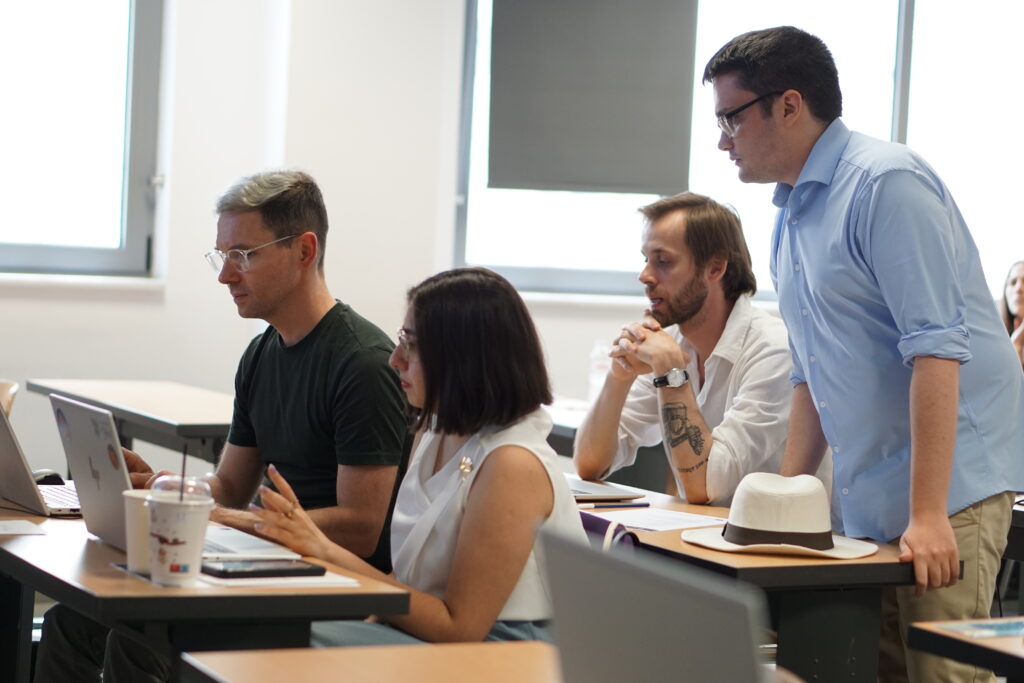
Guided coding session and collective interactive discussion: During this hands-on session, the data providers were guided through the steps of turning unstructured data into knowledge graph representations. We were able to directly test our own ADS library datasets and provide feedback on where the knowledge graph workflow excels and where it might struggle for a subject-specific digital archive compared to a cross-disciplinary aggregator. These discussions allowed each data provider to advocate for their needs, ensuring future developments would be fit for purpose.
Future Outlook: The final session was a presentation and discussion on the future development and trajectory of the Research Spotlight, particularly with regard to data provision. As the ADS/HSDS, we are looking forward to collaborating on domain-specific training datasets to further develop the model.
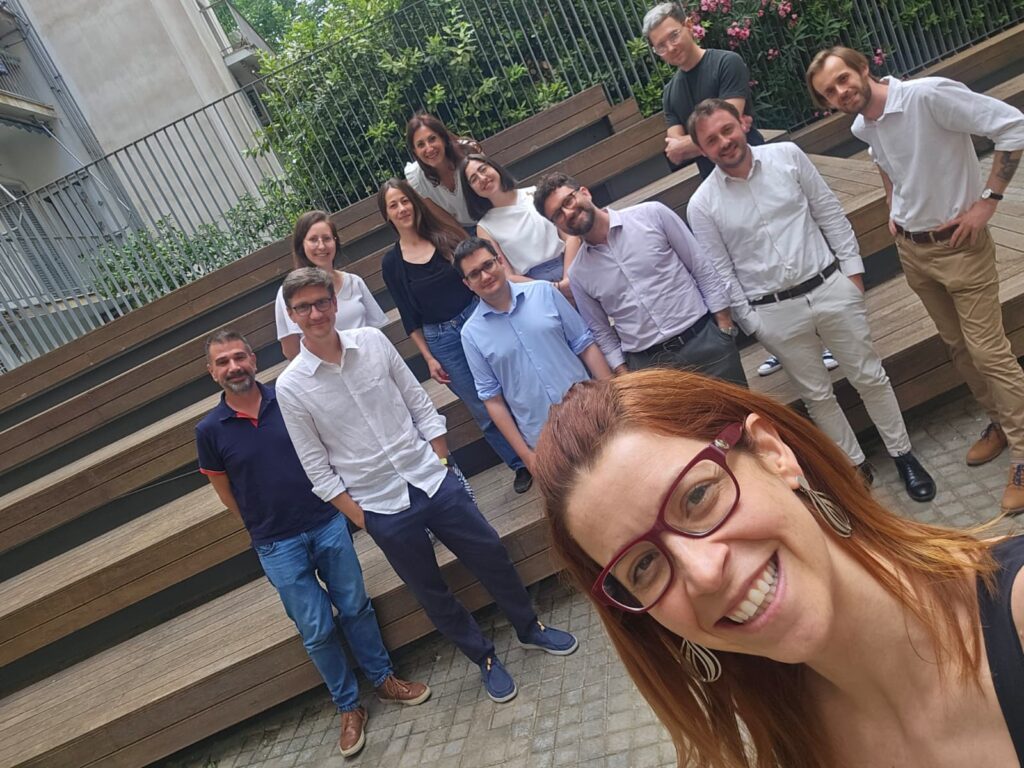
At the end of the day, the second ATRIUM MLE provided a much-needed platform for a shared reflection on the day-to-day realities of managing complex, open-access, and often highly specific data. We left Athens not just with technical insights, but also with a renewed sense of shared purpose that reinforced just how vital community-building is to infrastructure work.