On 9th and 10th December 2025, I had the opportunity to attend the annual conference organised by the British chapter of Computer Applications and Quantitative Methods in Archaeology (CAA-UK). This year’s event was held at the Henry Wellcome Building at the Department of Archaeology, University of Cambridge. This was my second time attending CAA-UK, following the 2023 event in Edinburgh during my very early days at the Archaeology Data Service. Once again, I was accompanied by two of my colleagues, Olivia Foster (Digital Archives Supervisor) and Sarah Middle (Postdoctoral Research Associate).
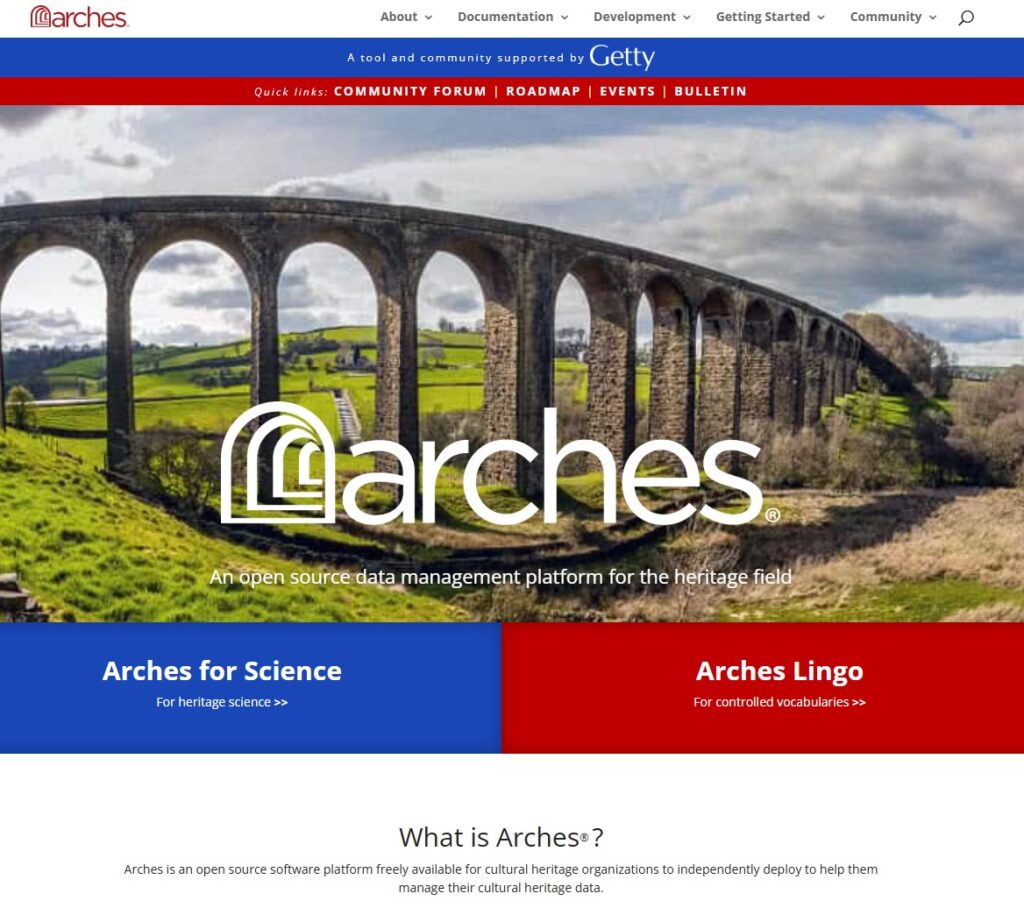
The conference began with a choice of two workshops: Intro to Bayesian Statistics and Intro to Arches. We chose the latter, where Phil Carlisle from Historic England demonstrated how this open-source data management platform has been implemented for UK Historic Environment Records. Phil later returned with a presentation on Arches Lingo, after two further use cases from the University of Cambridge presented by Jack Tomaney (Mapping Archaeological Heritage in South Asia) and Stefania Merlo (Mapping Africa’s Endangered Archaeological Sites and Monuments).
The main event opened on the afternoon of December 9th with Approaches to Landscapes, a session on exploring the intersection of archaeology, geography, and digital technology. Presentations showcased the use of georeferencing and cartography to study sites ranging from Avebury to Central Africa, while others employed niche modelling to assess North African farming and Lebanese coastal vulnerability. The session also addressed human mobility in Europe and digital mapping for at-risk heritage sites in India.
This was followed by Innovations in Heritage, which focused on creative engagement through DIY websites, 3D artefact animation, and audio-tactile accessibility. A highlight of the session for me was the intersection of gaming and history, featuring discussions on using game jams to reimagine archives and the pedagogical potential of roguelite videogames for teaching archaeological methods.
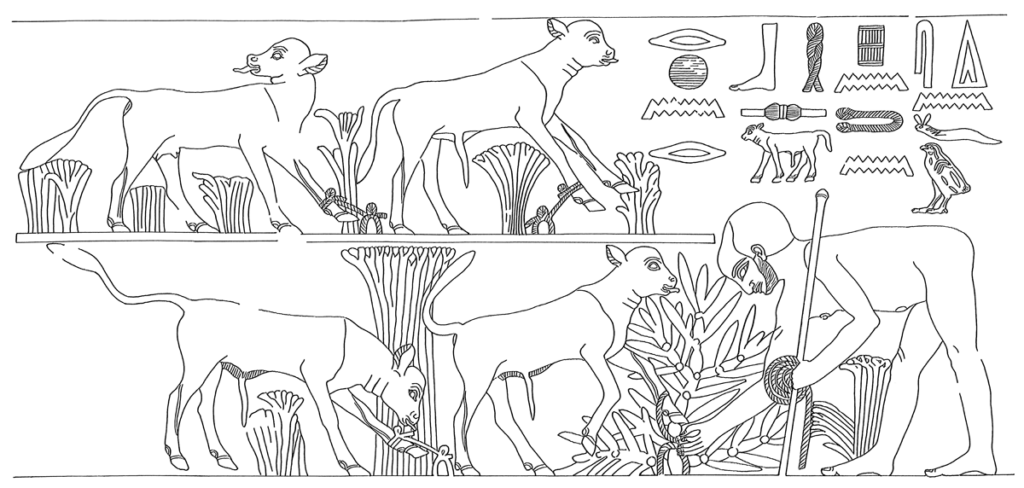
The first day concluded with a social event and the “Story Through an Image” contest. Participants were asked to share an image that conveys an idea about digital archaeology or heritage engagement. Our submission was an image created by Olivia and myself (but mostly by Olivia) based on our experience with 3D printing at YorCreate last year.

The second day opened with Modelling the Past, which focused on computational reconstructions of ancient life. Researchers presented work on Iron Age settlement hierarchies, Muisca geopolitical patterns, and the regional spread of cultural traits. Other presentations explored human evolution by tracking ancient Chinese body proportions, modelling Mediterranean agricultural production, and using digital network analysis to study Mesolithic rock art.
The final session, New Digital Horizons, highlighted how AI and advanced software are automating archaeological workflows. Key presentations introduced LLM-powered data pipelines, AI for record digitisation, and computer-vision tools like PyLithics for stone tool analysis. The session also delved into interactive storytelling through geophysics and the use of R packages to simulate shape evolution. This session in particular included a presentation by Sarah from ADS, who discussed the creation of Digital Twins in the context of the ARTEMIS project.
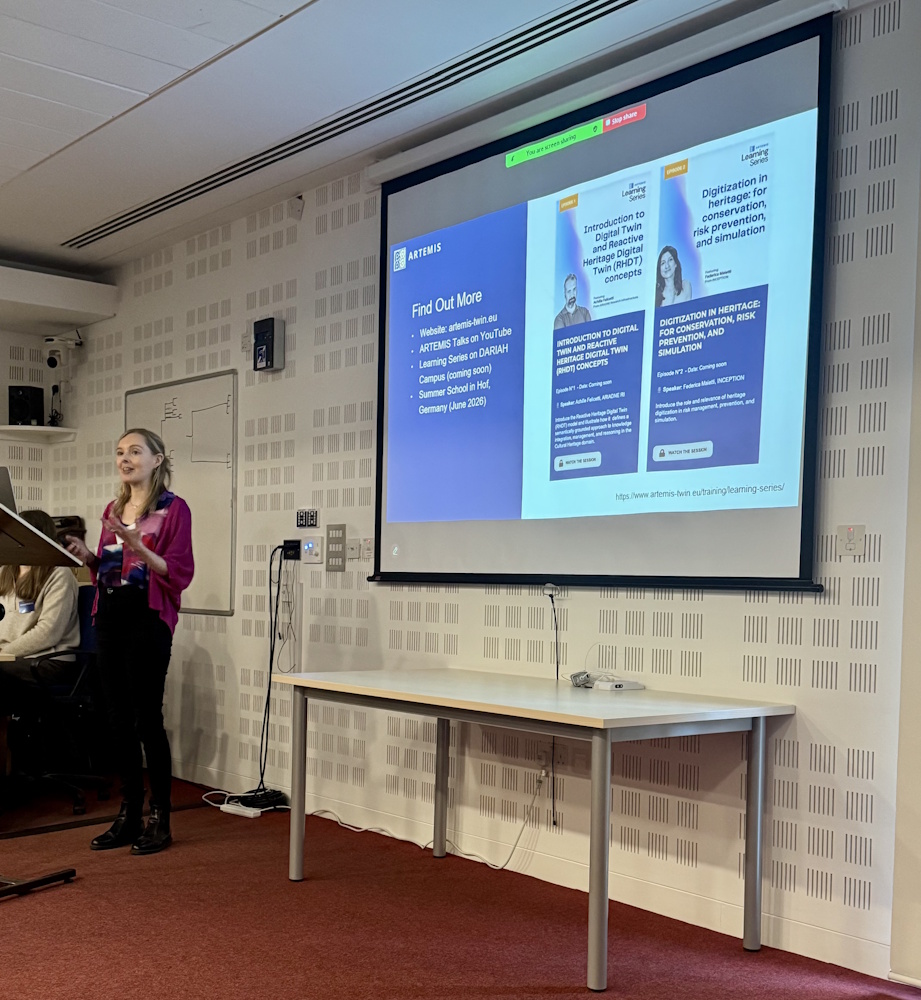
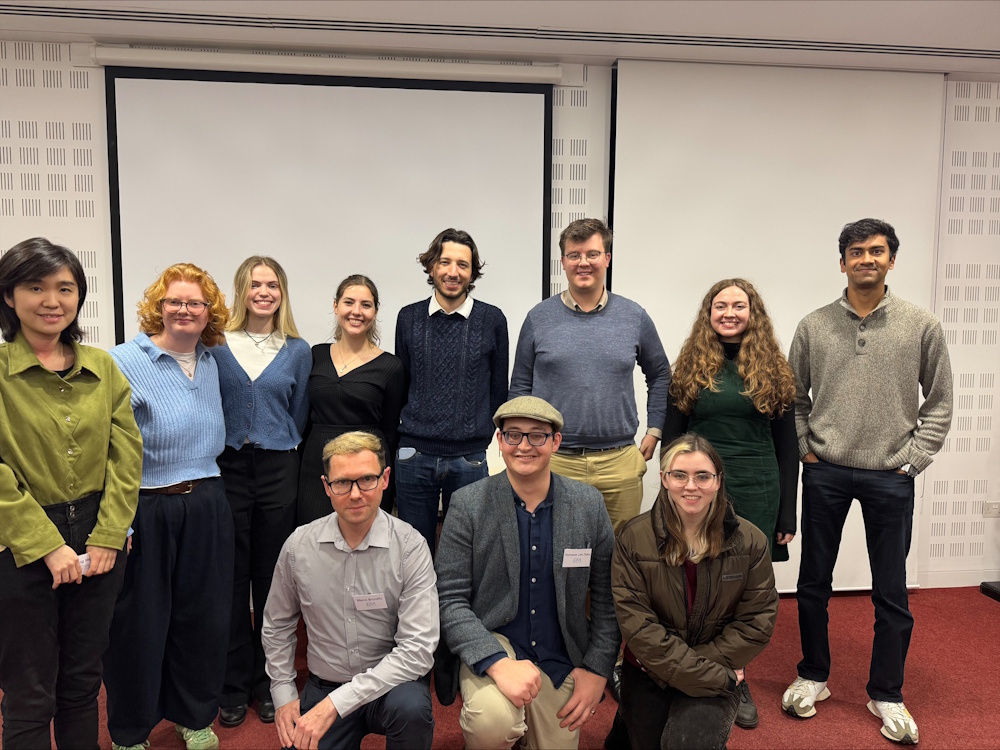
In general, the University of York was well represented at the event. Notably, during the AGM, Alfie Lien-Talks – who has worked closely with some of us at the ADS over the past few years – was elected as the new Chair of CAA-UK.
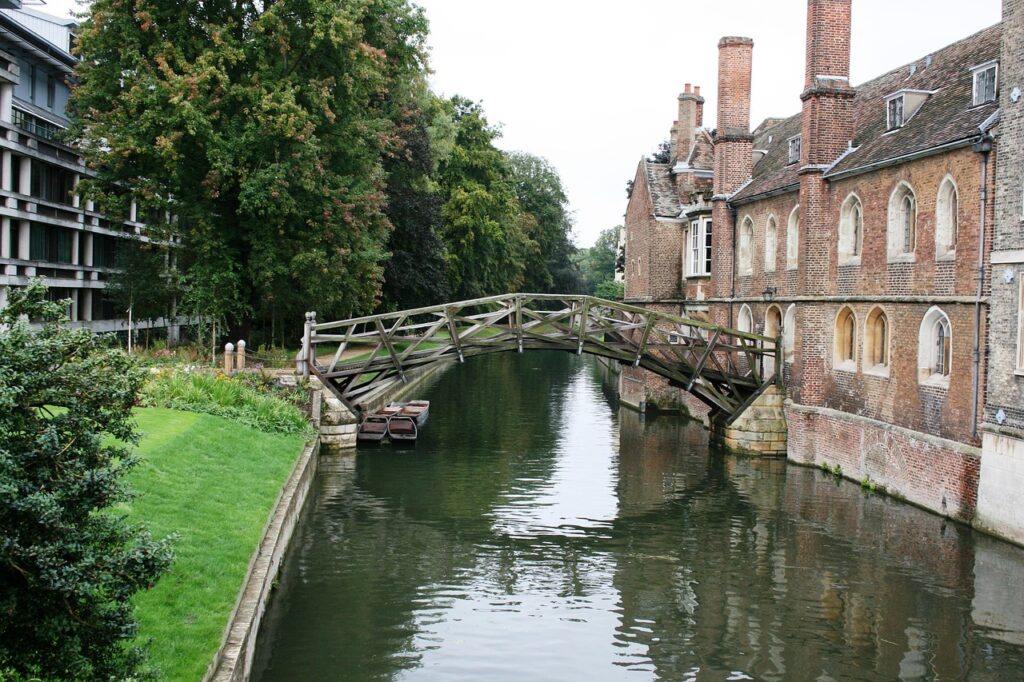
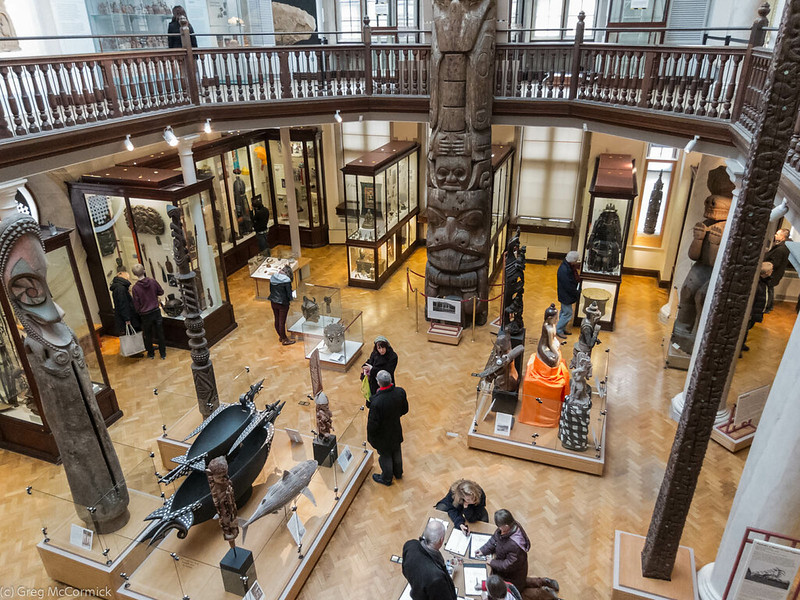
Before heading back to Yorkshire, we also had the opportunity to spend some time exploring Cambridge (first time for me) and visited the Museum of Archaeology and Anthropology.
Returning to CAA-UK was a rewarding experience, offering a refreshing look at how the community has evolved since I first attended this event two years ago. The conference is becoming a highlight of my yearly calendar, striking a very good balance between high-level technical innovation and a welcoming, collaborative atmosphere. I left Cambridge feeling genuinely inspired by the creative future of digital archaeology.