
During autumn 2024 the Archaeology Data Services (ADS) Collections team undertook a survey of current depositors to understand individuals’ experiences of depositing digital archives with the ADS. The survey was funded by the University of York Partnership Acceleration and Commercial Engagement (PACE) fund. The primary objective of the survey was to gain a more comprehensive understanding of market demands and preferences as they affect the ADS, currently and in the future, as new changes take place. Key areas of focus in the survey included identifying barriers to deposit, challenges encountered in the deposition process, refining deposition requirements, enhancing workflows, and evaluating costing models.
The survey was created using online survey software Qualtrics for which the University York has a licence. The survey asked a total of 15 questions, and it was estimated that it would take 5 mins on average to complete. The survey was open for 13 weeks from the 1st October 2024 to the 31st of December 2024.
The survey sample was primarily composed of professionals from the commercial archaeology sector, with a smaller representation from education, consultancy, and government authorities. The majority of the respondents (76%) had prior experience depositing digital archives with the ADS. Among them, a small group (6 respondents) reported depositing 100% of their digital archives, 32% archived over 90% of their data while a quarter of respondents (24%) had never deposited with ADS.
The most frequent reasons given for not depositing were that archives were only deposited if budgeted for (49%) or if archiving was explicitly mandated (46%). Additional barriers included the cost of deposition, a lack of time, metadata complexity, and challenges related to data format compatibility. Other factors included the use of alternative repositories, copyright restrictions, and a lack of direct responsibility for deposition within the respondent’s roles.
When asked what would facilitate greater use of the ADS, nearly half (48%) of respondents requested improvements to online deposition tools, with ADS-easy being a particular focus. Better guidance on metadata preparation and clearer instructions on deposition were also seen as priorities. Support and training preferences indicated a demand for a mix of self-paced resources and interactive support. Written guidance and online CPD training were the most preferred options to receive help and guidance, followed closely by real-time assistance through in-system tooltips and live chat.
Alternative costing models were another key concern, with 33% expressing interest in more flexible pricing structures. In terms of costing models, 50% of respondents were interested in a banded cost structure based on file numbers, subscription-based models gained moderate interest, particularly if subscription was tied to organisation size or project numbers.
The recommendations from the survey highlighted six key areas for improvement:
Improve Online Deposition Tools
- Enhance ADS-easy to make the deposition process more user-friendly, including simplifying metadata entry and enabling saved metadata profiles for repeat users, and to reduce the burden of unnecessary data entry.
- Develop a more intuitive file upload system that maintains project order and structure.
- Increase the range of accepted file formats through ADS-easy.
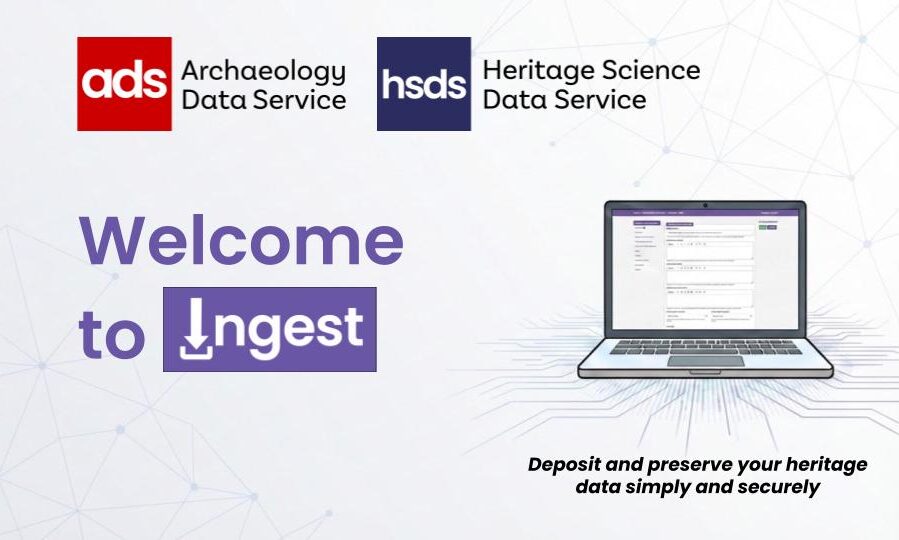
Our response: We are developing a new Deposit system to replace ADS-easy that is currently in beta testing with a proposed release date of late 2025. This system will address issues raised in the survey such as allowing all accepted file types, removing the file number limit for online deposition, allowing users to link to multiple oasis projects, and amending the archive to maintain project structure.
Enhance Guidance and Support
- Provide clearer, step-by-step instructions on metadata preparation, file formatting, and deposition requirements.
- Offer expanded training resources, including written guides, video tutorials, and online CPD courses.
- Work with external stakeholders (e.g. CIfA and Local Authorities) to establish clearer guidelines on what data should be archived to prevent unnecessary archiving of low-value material.
Our response: As part of the development of our new Deposit system we are developing a more intuitive set of guidance and help accommodating as many preferences as possible such as written instructions, webinars, and videos. These will be released gradually as the new system goes into its beta launch at the end of 2025. As part of the help and guidance we will review our selection advice and provide examples of good and bad practice.
We are also working with the CIFA IMSIG group to support the Digi Tea sessions and future training session plans, and with AHRC to provide training to academic depositors.
Address Cost and Pricing Concerns
A core question in the survey asked users if they would consider using other forms of deposition and charging. Whilst no single option was suitable for all, the results showed that:
- The most favored option was banded costs based on file numbers (50%), but a very small archive option e.g. 1-50 files would also be required, suggesting that depositors prefer predictable pricing structures tied to archive size.
- There was also significant interest in subscription-based models, with 33% respondents supporting a fee based on organization size and 31% favoring a model based on the number of expected projects.
- Prepaid digital archive packages also received notable support (26%), showing that some users may prefer bulk payment options for multiple deposits.
- 20% of respondents indicated a preference for the current pay-per-file model, suggesting that a portion of depositors are satisfied with the existing system.
Our response: The new deposit system will have a costing calculator and the removal of having to get quotes for some types of collections from the ADS collections email account. We have also been investigating subscription and upfront payment models but will not introduce these till the new Deposit system is live. Following which we will carry out a reassessment of requirements as there was no really strong preference from the survey respondents.
Improve Processing and Turnaround Times
- Address delays in processing deposits to prevent financial burdens, particularly for small businesses that require timely invoicing.
- Consider a system where payment is processed at the point of deposit rather than upon archive processing.
Our response: We have employed 6 new archivists this year and our turn around times should improve accordingly. Sprints are planned throughout the rest of the 2025 year focusing on specific data types to train staff members. The new deposit system should also improve ADS processing times when live and will allow for payment earlier in the deposit process.
Strengthen Advocacy for Digital Archiving
- Work with funding bodies and museum services to mandate digital deposition where appropriate.
- Raise awareness of ADS services and the value of digital archiving among a broader range of professionals, including fieldworkers and post-excavation specialists.
- Engage with county archaeologists and heritage organizations to ensure archiving policies are practical and cost-effective.
- Explore partnerships with universities, museums, and commercial firms to support best practices in digital archiving.
Our response: We have reached out to museum service this year to offer them free museum pages to better track their collections. We are also contacting external organizations such as the Environment Agency, and National Highways. It’s an ongoing priority of ads to always support best practices in digital archiving.
Develop a More Accessible Archive Search Interface
- Improve the user experience for searching and retrieving archived data, incorporating location-based, period-based, and keyword-driven search functionality.
Our response: A new search interface will go live this year, hopefully by November, that will facilitate location-based, period-based, and keyword-driven search functionality.