About the Guides to Good Practice
History of the Guides
The Guides to Good Practice have been produced in a number of formats since the ADS was established in 1996. Originally a set of standalone hard-copy and online publications produced between 1996 and 2003, the Guides were extensively revised in 2011 during a two-year collaborative project between the ADS and Digital Antiquity in the US to support the establishment of the tDAR repository. The project encompassed important revisions of the existing ADS Guides, as well as the development of entirely new documents covering areas such as marine survey, laser scanning, and close-range photogrammetry.
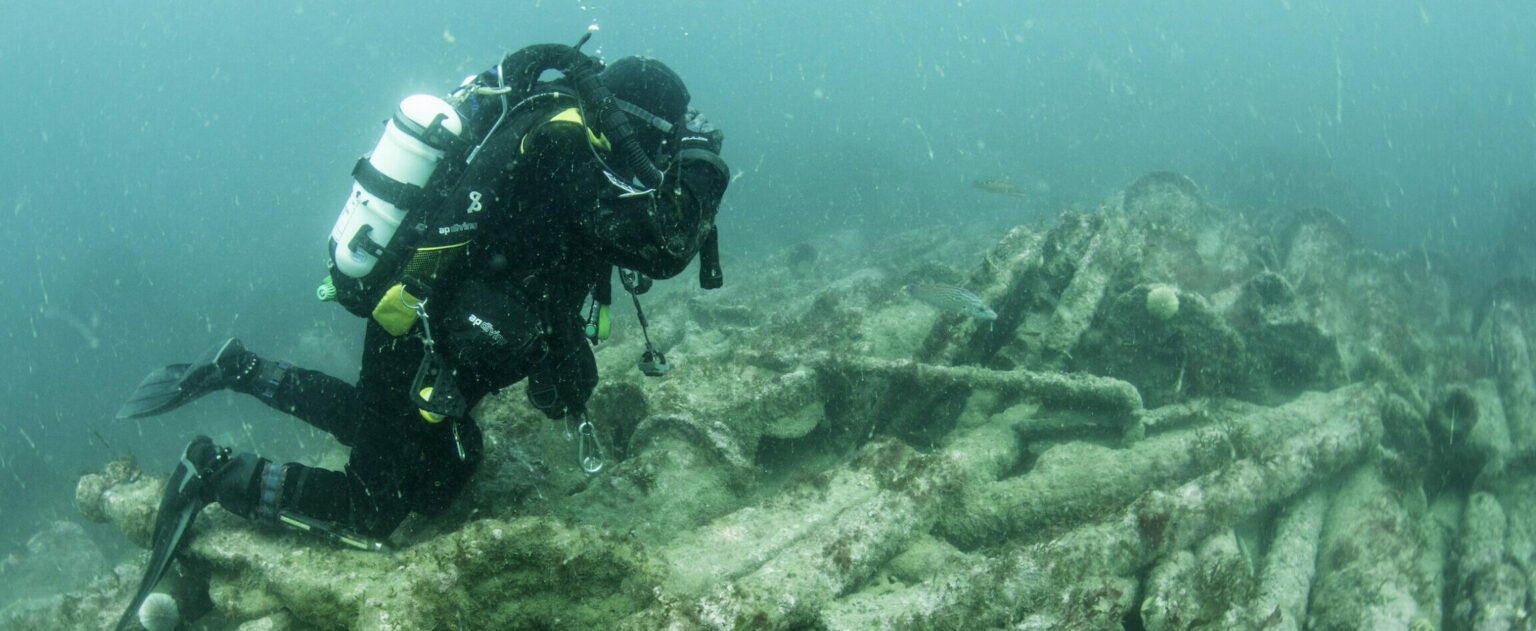
Other ADS projects have subsequently fed into the development of the Guides. ADS involvement in the European VENUS project formed the basis of the 2011 marine survey guide. This guide has subsequently been revised in 2025 as part of the Unpath’d Waters project. Additionally, the Guides incorporate findings from a number of ADS projects (e.g. the Big Data project) alongside Case Studies from a number of collaborative European projects such as ARIADNE and ACE.
Who are the Guides for?
The guides are aimed at a variety of audiences, which is outlined in detail in the combined guide “Digital Archiving and the Project Lifecycle”. To summarise, the guides aim to address key issues throughout the entire data lifecycle and are aimed at agencies and bodies commissioning archaeological projects, those creating archaeological data, including commercial and research projects, and those bodies involved in managing archaeological data in the long term, such as repositories, museums, and regional and national bodies.
What is the purpose of the Guides?
The primary aim of the Guides is to provide information on the best way to create, manage, and document digital data to enable long-term preservation, access, and reuse. The Guides can be used during the planning phase of a project to identify relevant issues and to plan appropriately, throughout the project as a reference on specific issues, ahead of deposition of data to a digital archive or repository, or during the management of data within such an institution.
How are the Guides Structured?
The Guides are largely composed of standalone publications focused on specific data-generating activities such as geophyscial survey or laser scanning, or specific data types or techniques such as GIS, CAD, or 3D data. The majority of these guides have been produced around a common structure, initially providing an overview of the technique or data type before considering issues surrounding data creation, and finally preservation.
Additionally the Guides include a number of sections, combined into the “Digital Archiving and the Project Lifecycle” guide, which discuss general preservation themes and common project lifecycle (i.e. non-technique specific and widely applicable) elements such as file naming, metadata creation and copyright. These lifecycle sections provide a wider context for the technique and file type-specific guides.
How are the Guides Formatted and Accessed?
The current guides were migrated to a new Jupyter Book format in 2026, based on the MyST document engine. The aim was to make the content more accessible, navigable, and more easily reusable. In addition, each guide now comes with its own persistent identifier (a DOI), and a full citation, ensuring proper attribution for those who utilise and cite these resources.
In addition to making the Guides available as online books, the source markdown files for each Guide have also been uploaded to linked GitHub repositories and are made freely available under a CC-BY licence.